Vietnam is the Guest Country at SIGEP World 2027
- Home arrow_right
- Guest Country
THE CONTEXT
Vietnam: a rapidly expanding market
Vietnam is one of Southeast Asia’s most dynamic economies and one of the most promising markets for the Foodservice industry.
Growth in out-of-home consumption, driven by an expanding middle class and evolving consumer habits, goes hand in hand with the country’s strategic role in the global agri-food supply chain. As the world’s second-largest coffee producer and leading exporter of Robusta coffee, Vietnam combines excellence in raw materials with a growing demand for innovation, technology and international expertise.
This unique combination makes Vietnam a strategic partner for SIGEP World.
THE CHOICE
Why Vietnam?
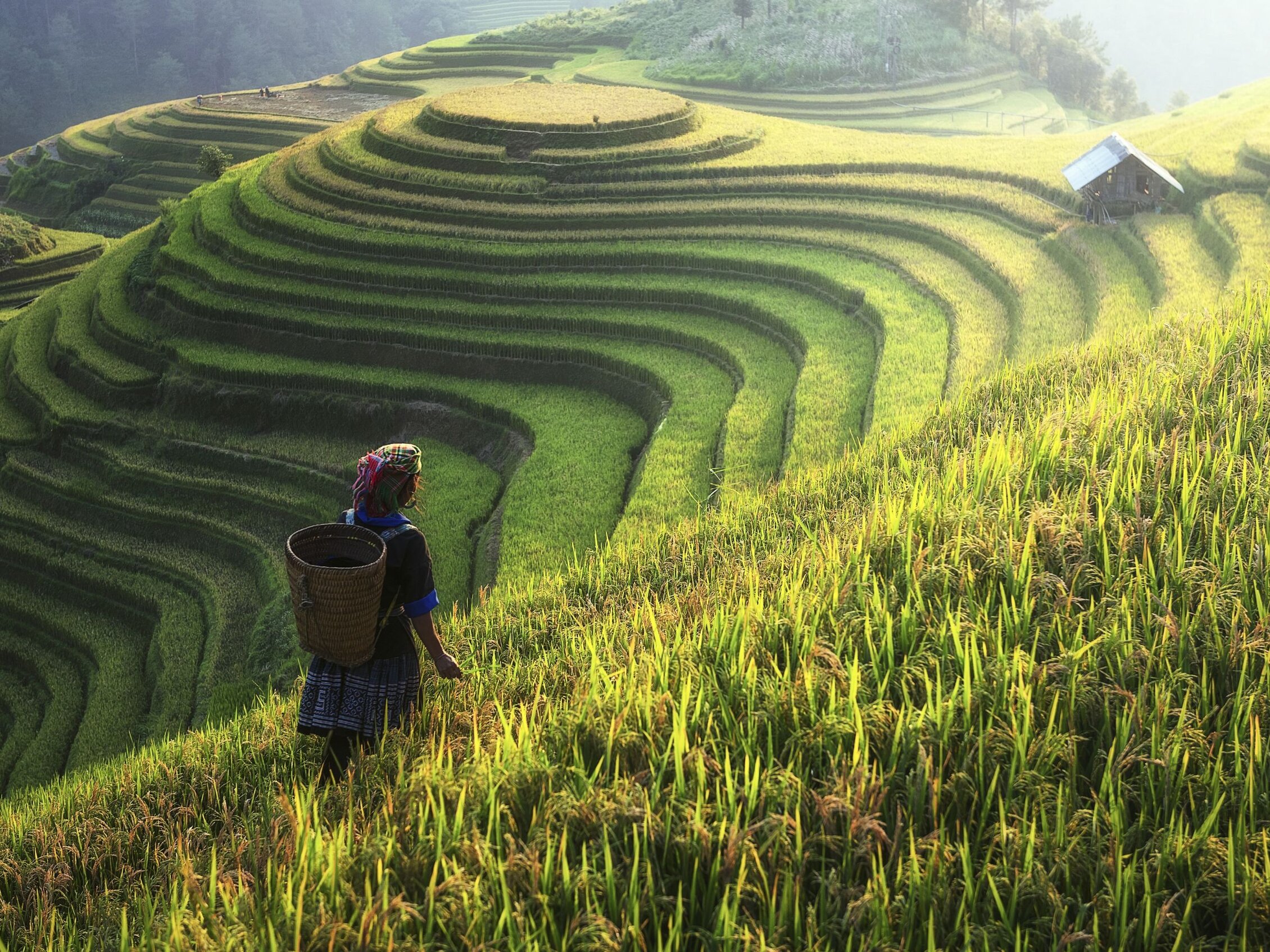
Vietnam has been selected as the Guest Country of SIGEP World 2027 because it represents a natural meeting point between excellence in raw material production and technological innovation.
A global leader in the coffee supply chain and one of Asia’s most dynamic Foodservice markets, the country offers significant growth opportunities across the bakery, gelato, pastry and coffee sectors.
Thanks also to the EU–Vietnam Free Trade Agreement (EVFTA), SIGEP World will provide the ideal platform to foster new business relationships, promote sustainable supply chains and connect the potential of the Vietnamese market with Made in Italy expertise and know-how.
Vietnam in numbers
A market growing at double-digit rates
THE INITIATIVE
The Guest Country project
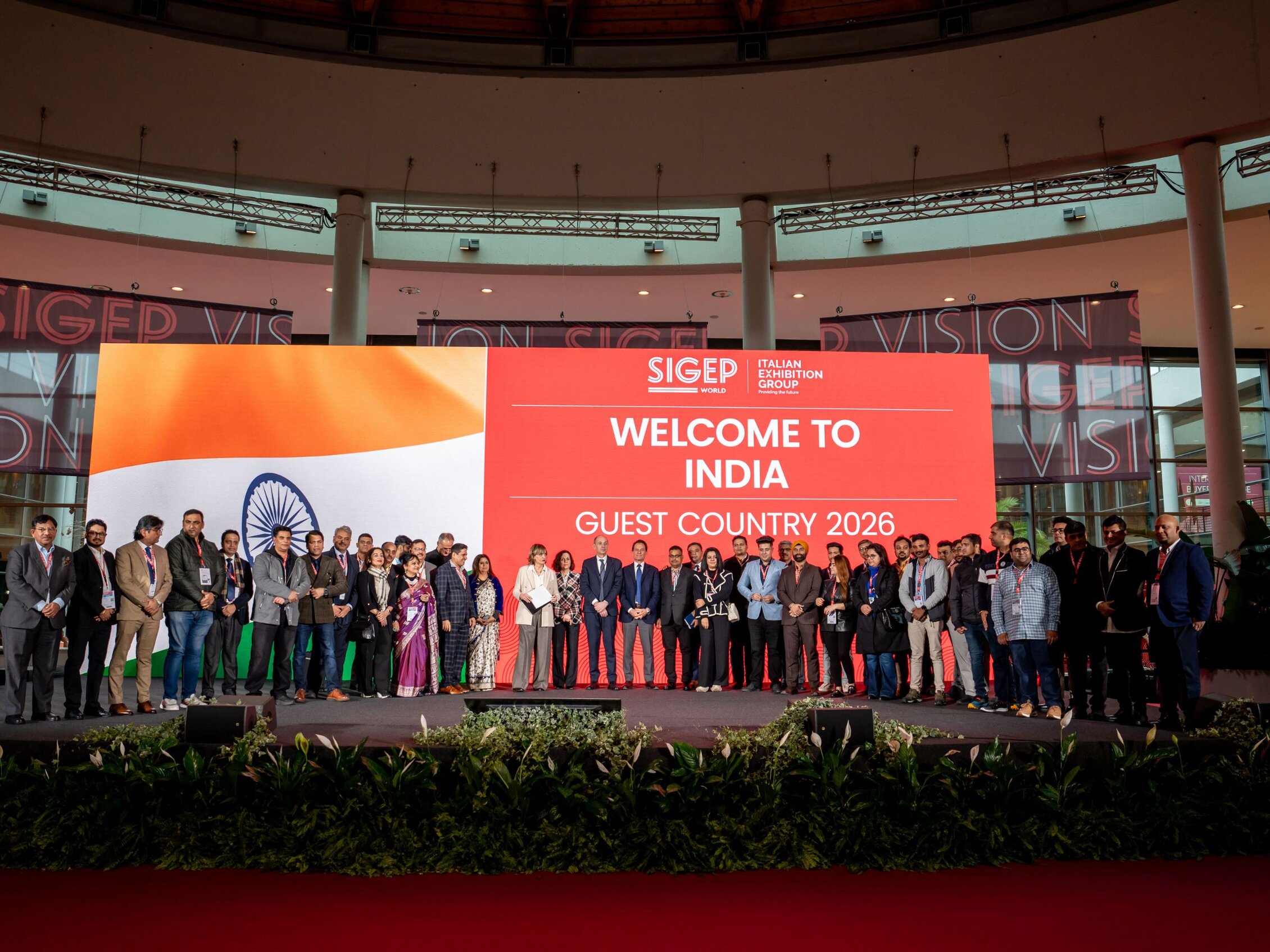
Following Saudi Arabia and India, which took centre stage in the previous two editions, Vietnam will be the Guest Country in 2027, further strengthening SIGEP World’s commitment to building connections with high-potential markets.
Being a Guest Country means much more than simply taking part in the show: it means being at the heart of an international project designed to showcase the country and create new business opportunities.
The program will include:
- an official institutional delegation;
- the participation of qualified buyers;
- a dedicated exhibition area showcasing Vietnamese excellence;
- workshops and in-depth sessions;
- B2B matchmaking meetings;
- networking events designed to foster new business opportunities.
Sustainability: coffee with an eye to the future
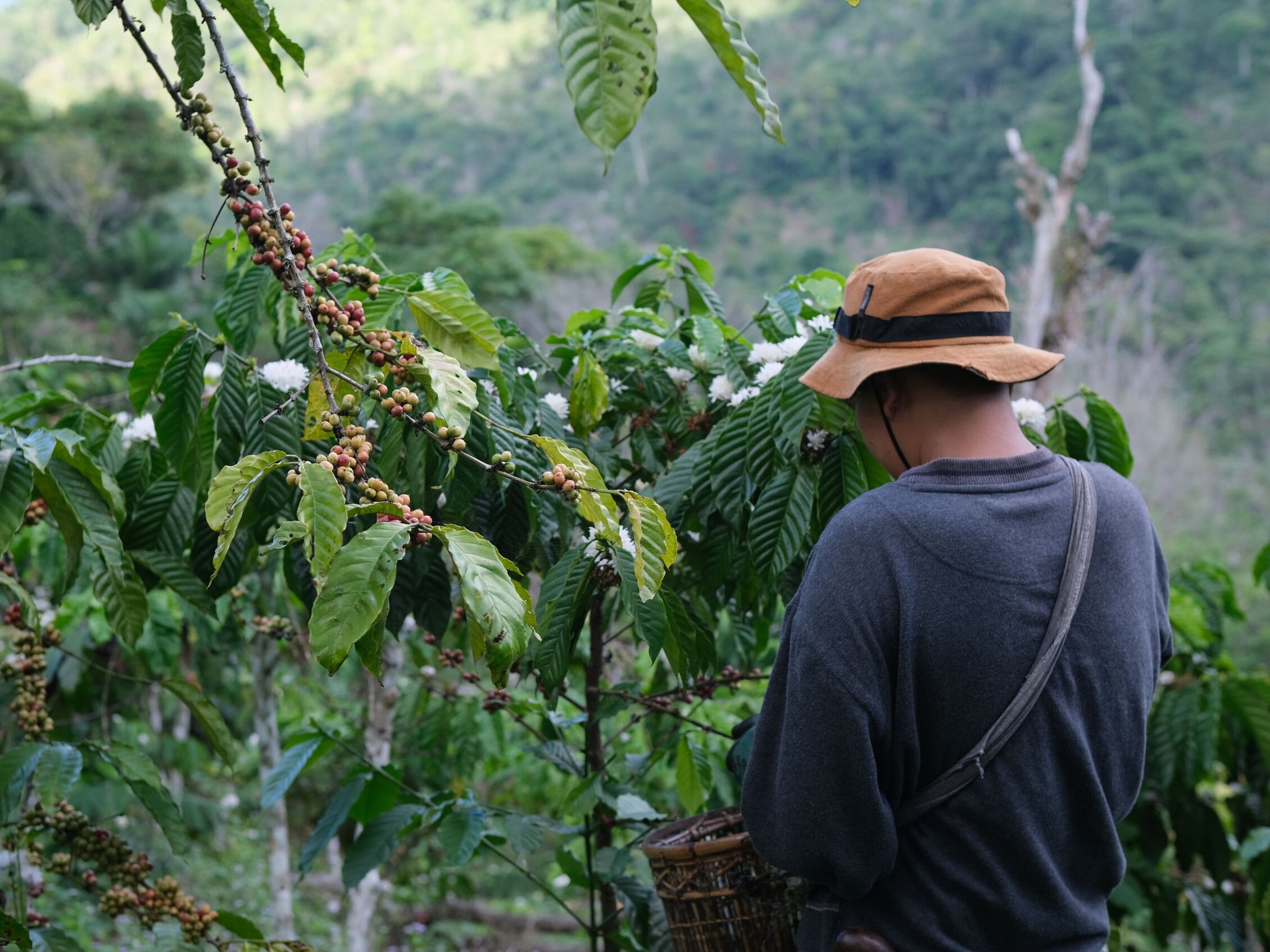
Behind the impressive growth figures, Vietnam is also writing another important chapter: sustainability. Around 40% of the country’s coffee-growing area has already obtained internationally recognised certifications — including Rainforest Alliance, Fairtrade, 4C and UTZ — reflecting a supply chain that is evolving to meet the increasingly demanding requirements of global markets.
In the Central Highlands, where most of the country’s coffee is produced, water management is playing a key role in this transition. In Dak Lak, the adoption of regenerative agriculture techniques has made it possible to reduce water requirements per plant from 700–1,000 litres to around 400 litres without compromising productivity. Similar results have emerged from pilot projects carried out across the region, where new agricultural practices have led to a 20% reduction in water consumption, a 14% decrease in the use of chemical fertilisers and the complete elimination of banned pesticides — all while maintaining or even improving yields. Intercropping, in particular, has increased productivity by up to 25% per hectare.
Another key area is traceability, which has become increasingly important following the introduction of the EU Deforestation Regulation (EUDR). Vietnam has begun developing a national system for the geolocation and mapping of coffee plantations, as products destined for the EU market must demonstrate that they are deforestation-free, legally produced and fully traceable back to the individual plot of land. This process directly involves the provinces of Dak Lak, Gia Lai, Lam Dong and Dak Nong, the heartland of Vietnam’s Robusta production.
Looking ahead, varietal research is playing an equally important role. Collaboration with the Western Highlands Agriculture and Forestry Science Institute is focused on developing more drought-resistant coffee varieties, with the goal of reducing water consumption by up to 60%.
The journey is still underway, but it clearly demonstrates why Vietnam is not only a global production powerhouse: it is also a laboratory for agricultural innovation. This is a theme that naturally aligns with the focus on sustainability that SIGEP World brings to the international stage every year.